From Trial to Appeal: How Felony Cases Move Through the Criminal Justice System
Facing a serious charge might leave you stunned, especially when the rules seem unclear. Each step forward brings new hurdles, choices that weigh heavily on what comes next. A skilled Houston Felony Lawyer stands beside you, not just guiding but fighting through each phase - from first hearing to any possible appeal. Legal insight matters deeply here, since knowing the path helps ease uncertainty. This walk through the system shows exactly where things go, offering clarity when it counts.
Understanding Felony Charges?
Felonies sit at the top of crime seriousness, different from lesser charges by both impact and punishment. Crimes like murder, armed robbery, sexual assault, drug trafficking, or fraud fall into this group. Prison time often stretches beyond twelve months when convicted, along with deep financial penalties. Voting may no longer be an option afterward, owning guns gets blocked, and the mark stays forever. With everything on the line, knowing how court steps move forward becomes unavoidable.
Arrest and booking process begins
Usually, it all kicks off when someone gets arrested. Police hold a person if they think there’s solid reason to believe a crime happened and this individual did it. Following that, officers bring them to the station to log details like name and address, plus get prints and photo snapped. Sometimes jail comes next; sometimes freedom returns - hinges on how serious things look and whether running away seems likely.
Arraignment and Bail Hearing
Right away, once taken into custody, the person faces a judge in what’s called an arraignment. At this meeting, the charges get spoken out loud one by one. Then comes the moment when the accused answers - either admitting guilt, denying it, or staying silent without fighting back. Money might be set aside so they can wait outside jail until trial begins; this acts like a promise to show up later. That cash buffer? It's meant to make sure court dates aren’t missed. Bail might vanish completely when crimes get severe, sometimes stretching into sky-high figures. A sharp lawyer enters here - shifting outcomes quietly, deciding jail or freedom while court dates loom.
Preliminary Hearing Or Grand Jury Step Three
Most times, someone won’t face trial unless there’s enough proof against them. A judge might look over what’s been gathered to decide if things should go further. Sometimes regular people on a grand jury weigh the facts instead. When they believe the situation calls for it, charges are officially filed. Only then does everything shift toward court.
Pre Trial Motions and Discovery
Before court begins, each side shares proof through what is known as discovery. Police records, comments from witnesses, video clips, alongside lab results are closely reviewed by those defending the accused. At this point lawyers might submit requests to judge - arguing to remove some facts, drop accusations, or respond to rights being crossed. It happens now and then that a capable defense crew lessens penalties - or wipes them out fully - even before a courtroom hearing unfolds.
The Trial
When talks fail, court moves forward without a deal. Instead of pleading guilty, someone can choose to face a group of citizens who decide what happened. Or they might let one judge handle the decision solo. First comes picking those jurors, carefully chosen. Then both sides speak their version of events up front. Evidence enters next, piece by piece, slowly building each story. People take turns telling what they saw or know under oath. After each account, questions test its truth and cracks in memory. Arguments wrap things up later, summing why one side should win. Quiet discussion follows when others leave to talk among themselves. Proof must be strong enough to erase uncertainty - that is the rule. Lawyers on the defense side look closely at every claim made against their client. Their job means finding gaps, raising questions, making sure belief stays shaky.
Step 6: Sentencing
Finding guilt shifts things toward what comes next. Because the verdict stands, attention turns to how consequences unfold. A judge weighs many details - what happened, past records, words from those affected, plus arguments aimed at lessening the blow. Harsher crimes might lead to years locked away, though lighter paths exist too. Depending on choices made early, options appear that avoid full penalties. Sometimes guidance through treatment helps more than time behind walls. Strong legal voices push hard when outcomes hang in balance.
Appeals Process Step Seven
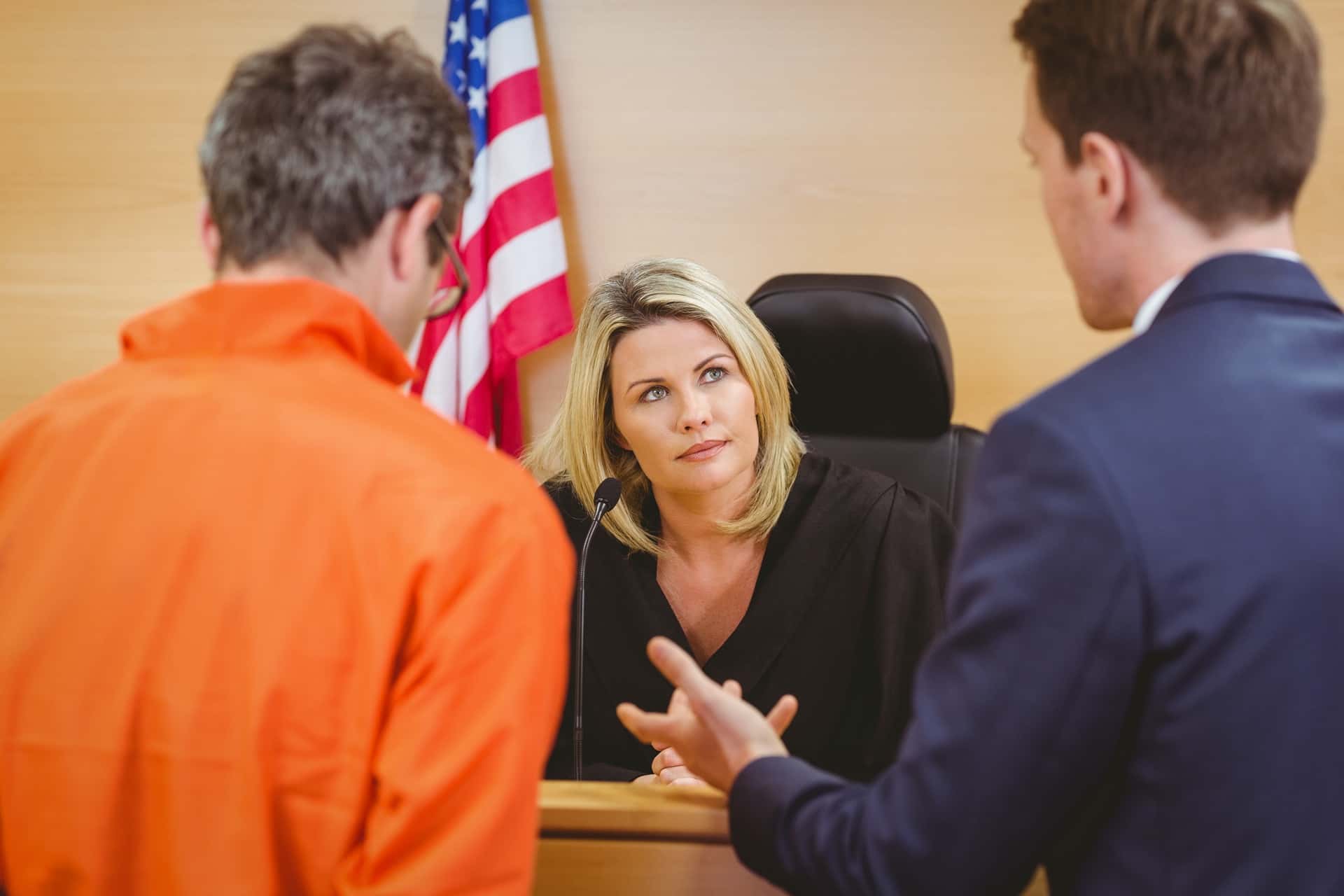
Just because someone gets convicted does not mean it's final. After a verdict, there remains a chance to challenge things in a higher court. These challenges do not replay what happened - instead they examine whether missteps took place that shifted results. Mistakes like letting in questionable testimony, lawyers failing duties, unfair moves by prosecutors, or confusing directions to jurors often become reasons for review. Waiting on such reviews might stretch across many months, sometimes far longer, yet they serve an essential role in catching unjust outcomes.
Facing Federal Charges? You Need Specialized Representation
Not every serious charge plays out in a local courtroom - some land straight into the federal arena, where stakes shift fast. When agencies such as the FBI, DEA, or IRS lead the investigation, rules tighten without warning. Longer sentences appear more easily, options shrink under rigid guidelines nobody can ignore. Charges crossing borders - drugs moved between states, financial schemes, digital intrusions, crimes tied to gangs, or acts committed on government-owned land - pull you deep into a different legal world. This isn’t about finding any lawyer - it demands someone shaped by years inside the federal maze. The lawyers on the other side come backed by vast resources, sharp training, relentless drive. Meeting them means bringing equal strength, nothing less will hold ground. Experience matters sharply here - a history of real results in those courtrooms might quietly decide whether gates close behind you - or stay open.
Conclusion
Starting at arrest and moving through appeal, a felony case unfolds slowly, full of turns where one choice might shift the outcome. Each stage - bail hearings, court dates, maybe appeals - brings its own dangers along with openings to act. This system does not guide you; it expects you to know how to move within it. Facing charges under state law or Federal Crimes Lawyer authority? A lawyer who knows the details makes all the difference when safeguarding what lies ahead. Time matters. Getting counsel early builds a firmer foundation before pressure grows.
FAQs
1. What is the difference between a felony and a misdemeanor?
A felony is a more serious criminal offense that typically carries longer prison sentences, larger fines, and lasting consequences such as loss of certain civil rights. Misdemeanors are less severe and usually involve shorter jail time or smaller penalties.
2. How long does a felony case usually take to go to trial?
The timeline varies depending on the complexity of the case, evidence gathering, and court schedules. Some cases may move to trial within a few months, while others can take a year or more.
3. Can a felony conviction be appealed?
Yes. After a conviction, defendants have the right to challenge the outcome in a higher court if legal errors, procedural mistakes, or violations of rights occurred during the trial.
4. Do all felony cases go to trial?
No. Many felony cases are resolved through plea agreements before trial begins. However, if no agreement is reached, the case proceeds to trial where a judge or jury decides the outcome.